

Since the 1940s, autism has been framed through the medical model. That model assumes something is wrong and the person with autism is afflicted and needs treatment. It places autism as a “problem” but describes it from the experience of the observer, not the Autistic person themselves.
Introducing the social model improved the conversation. It centers the experience of the Autistic person and shifts responsibility from the person to the system and argues that disability emerges from barriers in the environment.
Even the neurodiversity paradigm, which rightly insists that neurological differences are not defects to be cured, stops short of full cultural recognition. Over time, its language has been misinterpreted as an individual trait category rather than a political stance which was the original positioning. These days the neurodiversity movement has been transformed from a coalition-based civil rights framework into a largely personal and depoliticized identity marker.
The cultural model does something completely different. It isn’t political like the neurodiversity paradigm was intended to be, it isn’t an explanation of individual differences that require environmental changes, and it doesn’t even comment on whether or not the people within the culture have medical issues.
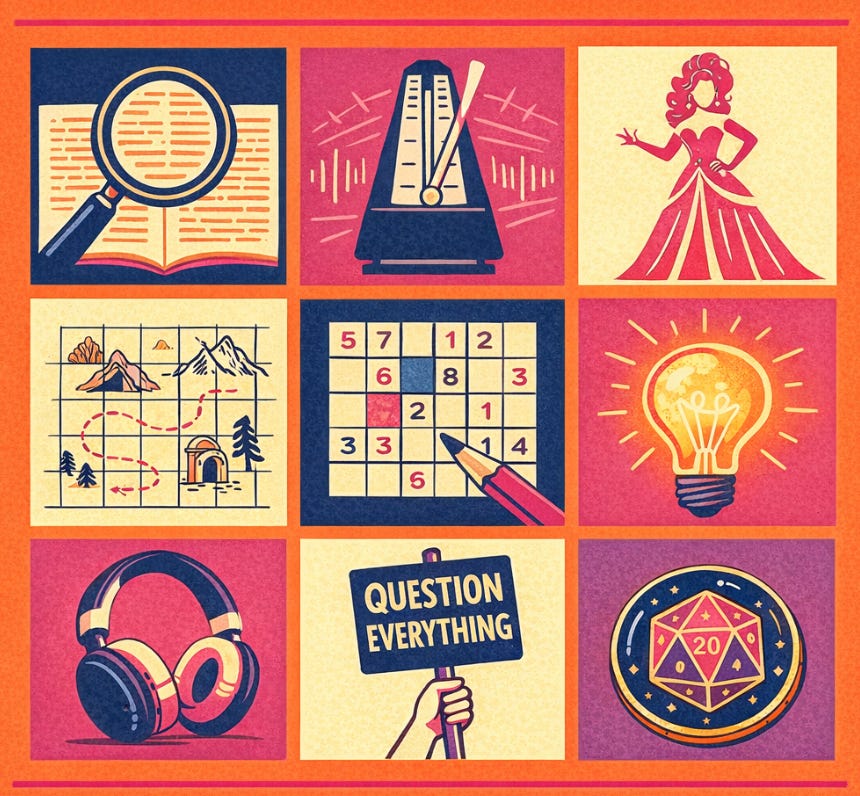
Culture is not simply difference, it’s shared meaning across generations. This shift matters historically because culture is what survives medical fashions and policy cycles. Culture is what builds institutions, art, archives, scholarship, and intergenerational pride.
By using a cultural framework for thinking about autism, we have to ask: “If Autistic people share values, norms, communication styles, aesthetic preferences, humor, sensory rituals, and creative traditions, what becomes possible for us when we name that continuity as culture and build institutions to sustain it?”
The cultural model provides that way, in fact, it insists we move forward.
• It reframes special interests as cultural production.
• It reframes monotropism as an epistemology.
• It reframes sensory design as aesthetic intelligence.
• It reframes masking as forced assimilation.
Autistic people are still largely frozen between pathology and accommodation. That’s what all the fighting is about, but what we need is a third way. Historically, minority groups have moved through similar arcs. First pathology. Then accommodation. Then recognition of identity. Finally, protection of culture. It happened for the Queer community and the Deaf community, and it will happen for the Autistic community, too.
Here in this Substack and at the Autistic Culture Institute in general through the Autistic Culture Podcast Network, the Late Diagnosis Club, and our Neurodivergent Narratives Anthology, this is the work: naming, defining, and defending Autistic culture so it cannot be reduced back to deficit language when the political climate changes. You can help by sharing out work.
Thank you yet again for opening my eyes. This is the first I have heard of this framework.
Beautifully written 💚